We need to get to know our international students better
To create inclusive classrooms for international students, we must address bias and challenge assumptions. Here’s how
December 12, 2024

To create inclusive classrooms for international students, we must address bias and challenge assumptions. Here’s how
Good intentions and generalisations can harm reconciliation in the classroom and academy, writes Daniel Sims

Portfolio assessment has proved to be an innovative way to track students' progress in economics classes, making learning deeper and more meaningful. Here’s how to do it

Bringing different fields of study together into one practical assignment, focused on a real-world problem, proved to be a game-changer in a sector shifting towards interdisciplinarity. Here's how it worked

Aligning teaching with the Sustainable Development Goals can only go so far in preparing students for a climate change-affected world. This resource offers a framework for embedding sustainability more deeply into curricula
Indigenous leadership requires resilience, humility and self-awareness. These 10 principles offer a guide to cultivating wellness and fostering a supportive community
By supporting students to become independent thinkers who can evaluate different viewpoints within specific contexts, educators better prepare them for employment, argue Jennifer Rose and Bill Moore

How can universities reset their curricula and embrace a range of experiences? Here are five ways to start down the path of decolonisation
How interdisciplinary and experiential learning that is integrated into inclusive curricula can equip students for their future creative careers
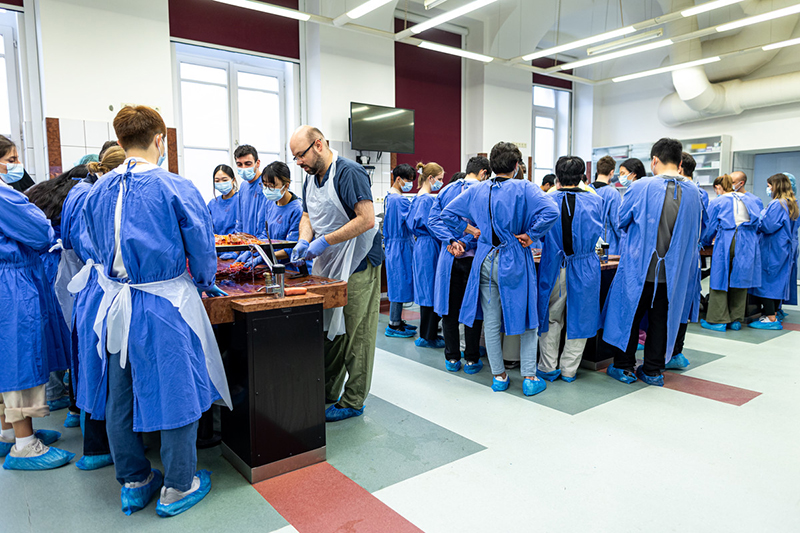
A faculty development programme for instructors must facilitate more than efficient knowledge transfer. Incorporating pedagogical innovation, digital proficiency and emotional intelligence will ensure the well-being of educators and students

How educators can teach programming students to use AI tools to enhance productivity

Bluesky’s growth offers academics, departments and institutions the chance to build engaged communities. Here are some tips on setting up a profile
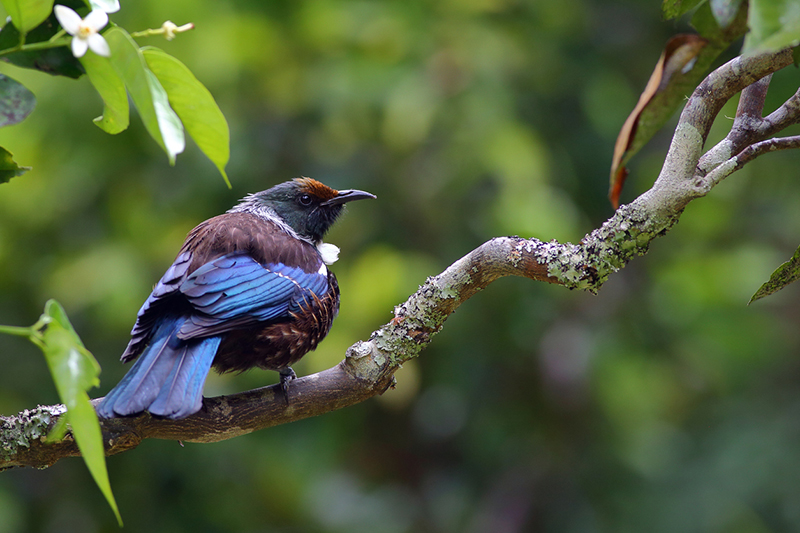
Collaboration between community groups, local government and university students has improved bird nest survival rates exponentially as part of a broader biodiversity plan. Here is how one university is bringing native fauna back to campus

In the age of AI, has long-form writing in higher education reached a dead end? Martin Compton and Claire Gordon discuss the unique aspects of the essay and introduce a manifesto to revitalise it

In preparing for their careers, students need skills to manage the demands that a changing world will place on their internal and external lives. These five stages aim to help them develop adaptability, resilience and psychological growth