Four ways that study tours can put decolonisation into action
Instead of discussing decolonisation in theoretical terms, engaging with those theories in practice via a study tour can be transformative. Here’s how
July 29, 2026

Instead of discussing decolonisation in theoretical terms, engaging with those theories in practice via a study tour can be transformative. Here’s how
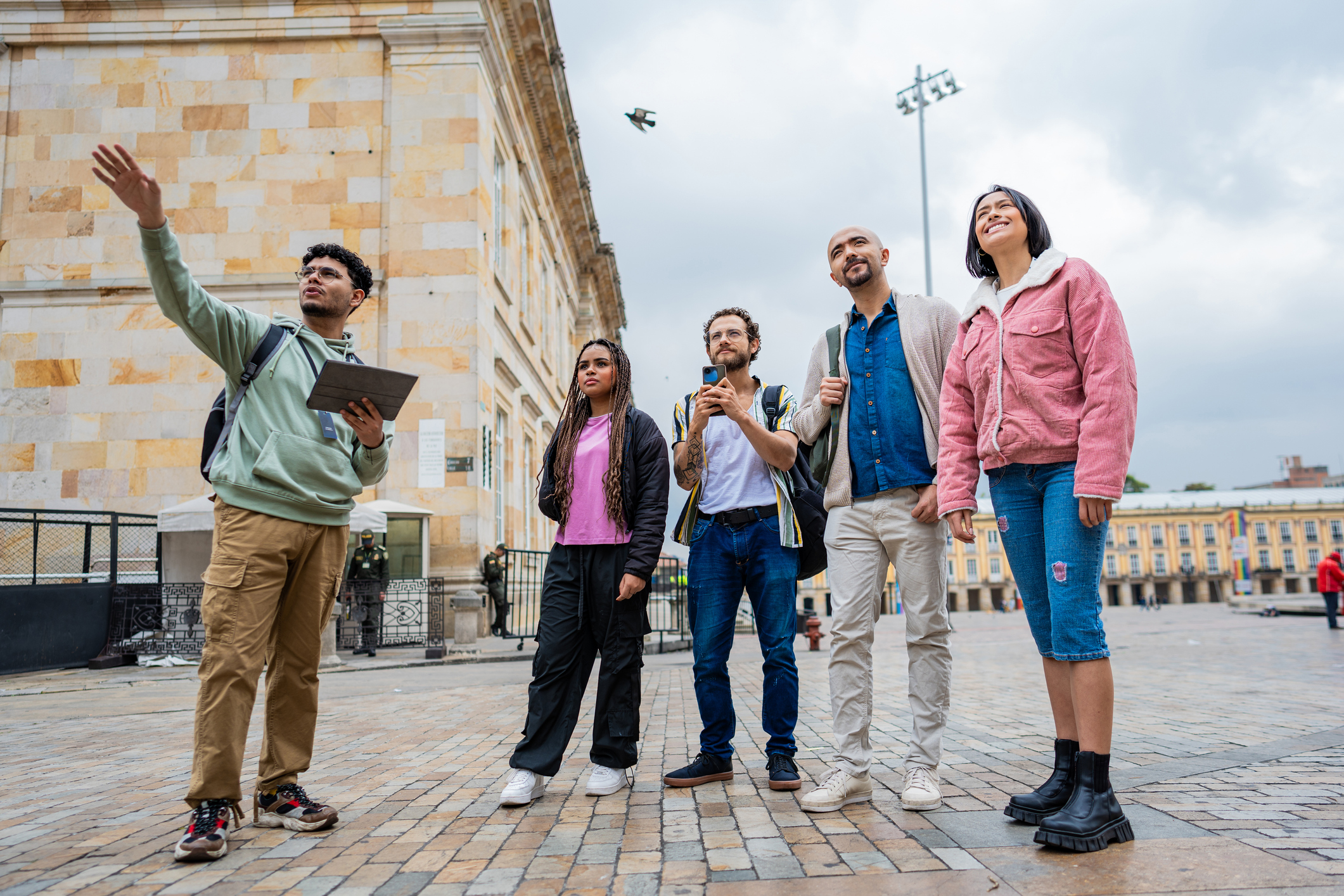
Short-term exchanges may be an effective way to rejuvenate interest in international experiences among students, writes Lucas Lixinski in the fourth part of his series on outbound student mobility, drawing lessons from his department’s ‘overseas electives’

Collaboration between research and extension in forest resources and environmental conservation offers a clear lesson for universities everywhere: knowledge matters most when it is communicated, trusted and applied
A guide to how institutions can adapt and shape higher education in order to meet the needs of students whose vital school years were interrupted by pandemic lockdowns

Students will need a skills-focused mindset as GenAI absorbs entry-level jobs. Here, Raphael Dennett and Lisa Harris share lessons from developing a module that prepares undergraduates for a radically different start to their professional lives
University policy and students’ practical use of AI are running in different directions. Higher education needs a collaborative approach, focused on human capability, write Doug Specht and Gunter Saunders

Complex administration tasks and fragmented communication channels can cause students unnecessary stress and prevent them from accessing support. A centralised approach that offers peer guidance can be an answer

TikTok-style videos can give a face to a department and encourage students to take an active role in academic life. Learn how to work with students to create them

How to embed collaboration with external partners into core research assessment to ease pressure on labs while building core employability skills

Research into GenAI-assisted cheating across disciplines may not be showing the whole picture. Here’s what researchers should be doing to make sure their work stays relevant when technology is moving so quickly
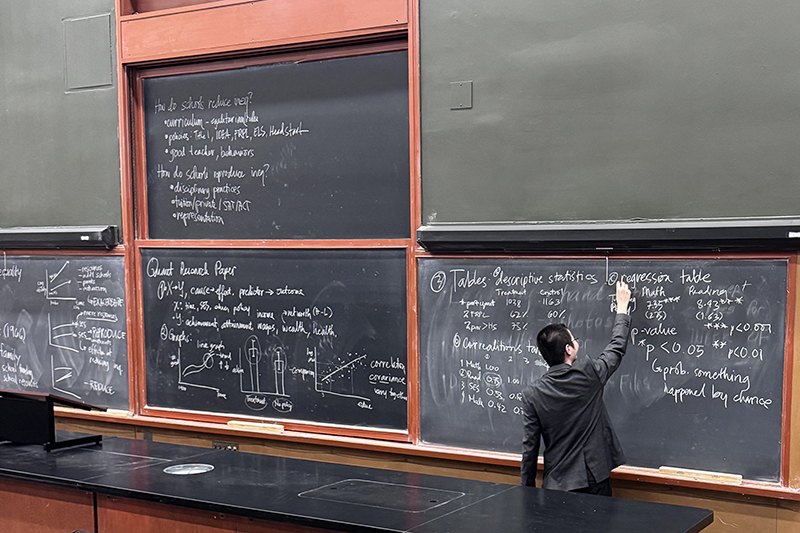
It’s not just about kicking AI and other technology out of the university classroom. A return to analogue teaching methods requires preparation in order to reap the benefits of deeper learning and engagement, writes Jose Eos Trinidad

The UK sector is enduring course cuts, redundancies and restructures. Here, Meredith Wilkinson suggests practices that leadership can put in place to support staff and students through uncertainty

How a design thinking approach to a community project helped students raise awareness about racism against Indigenous women in Mexico

Virtual reality simulations can equip construction students with technical skills and impress on them the importance of safety. Find out how here

Effective collaboration in research and teaching practice requires more than goodwill. It depends on clear goals, shared contributions, project management, cultural awareness and space to raise concerns