Gamification can support sustained engagement with course content
Game mechanics use feedback, rankings, discussion and participation over time to maintain students’ attention throughout the semester
August 11, 2026

Game mechanics use feedback, rankings, discussion and participation over time to maintain students’ attention throughout the semester

In learning, playfulness is often overlooked. Yet it could be key to embedding the soft, ‘human’ skills students will need for the future. Isabel Taurel shows how

Carefully designed device-free lessons can help students learn to articulate their thoughts, engage with peers and brainstorm ideas. Learn how

Future teachers, nurses, engineers, lawyers and business leaders need more than rules and policies about when to use AI. Inexperienced students benefit from courses that help them practise responsible judgement alongside foundational learning

Can a theatrical approach to teaching a dry subject free up brain space? Chris Jones uses cognitive load theory to manage when students’ attention drifts

Despite the amount of student feedback collected, it is not impacting on students’ day-to-day lives. How can we change that?

By turning your classes into ‘interaction rituals’, you could re-energise even the most apathetic of students – and yourself – and spark excitement for learning. Allan McCoy explains how

Despite 12 million graduates entering the job market, Chinese companies still lack highly skilled candidates, writes Gerard A. Postiglione. Here, he looks at how the country’s universities are addressing employment and what its strategies can offer other higher education systems

How to embed short, structured company projects into courses, from securing institutional support to building lasting relationships with external organisations

Practical insights to support effective collaboration across research, teaching and the running of an institution

A single course design choice helped make AI literacy intrinsic and opened up a way to level the playing field educationally

Virtual international collaboration can develop intercultural competence and critical thinking skills. Here are strategies that help make these experiences valuable

If you want the robots and LLMs to find your scholarly publications, you need to make your outputs legible, connected and repeatedly encountered
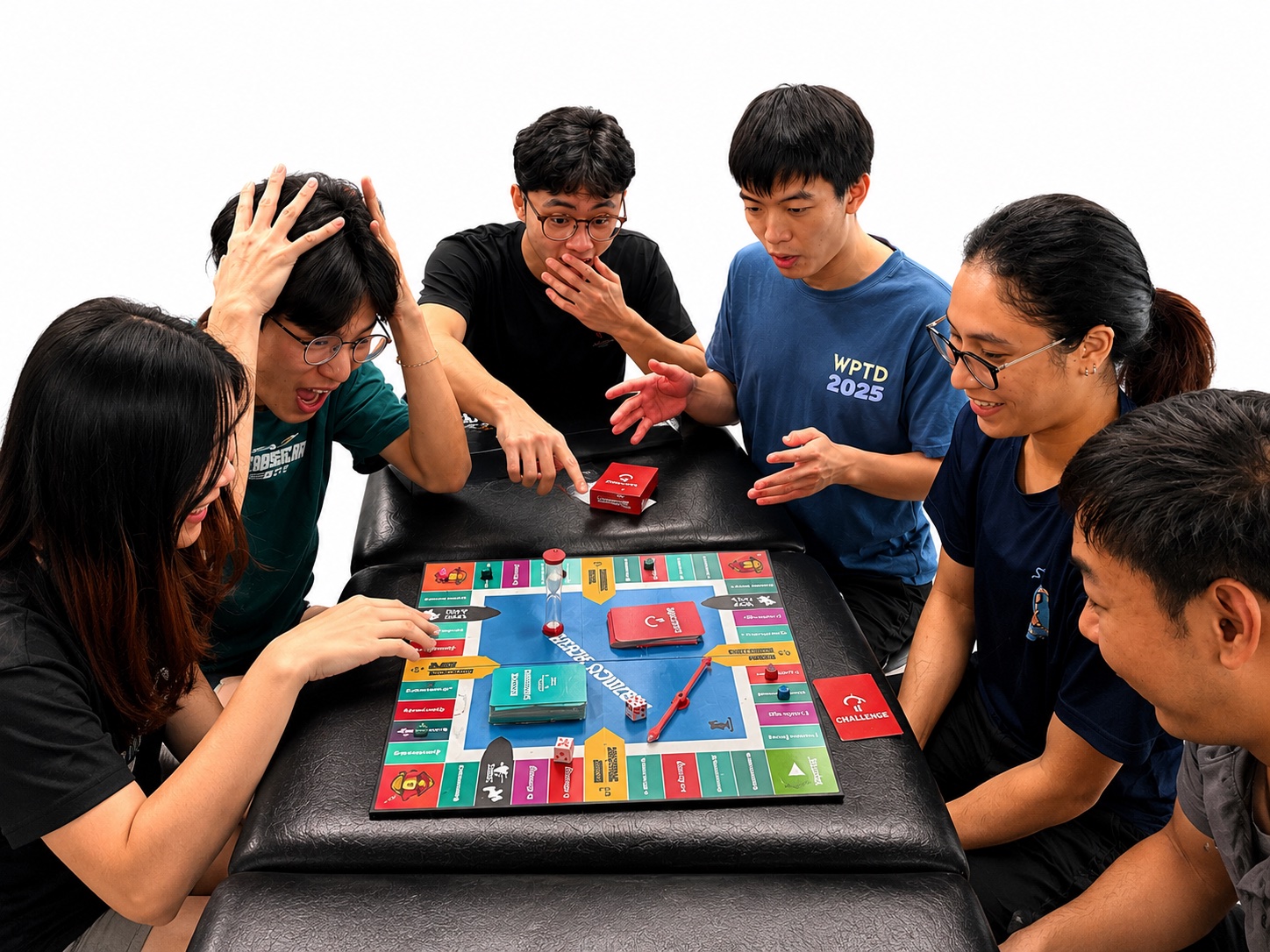
Are your students struggling with role play? Game-based learning can offer structure, safety and feedback, especially when combined with AI support. Here’s how

Five lessons from a Ghana-focused project that addressed the gendered conditions of academic work to give women the tools needed to participate fully and progress