Eight ways universities can foster an open research culture now
Make open research routine by creating a culture that welcomes questions and acknowledges uncertainty. Here’s how
September 16, 2026

Make open research routine by creating a culture that welcomes questions and acknowledges uncertainty. Here’s how

Open educational resources help communicate research outcomes and contribute to shared knowledge. Read about examples and guidance on how to create them

Crossing disciplinary boundaries can be challenging, but an engineering mindset can bring fresh solutions to clinical challenges. Bendegúz Juhos explores how to bridge the gap, use open access to researchers’ benefit and find support to innovate

While disciplinary expertise remains important, future graduates will increasingly need broader capabilities to cope with uncertainty and change. Lei Zeng offers advice on how to develop them

First-year students suffer from disproportionate levels of stress. But there’s one structural fix that costs almost nothing: pass/fail assessment in year one. Find six steps to implement change

Educators may often ask themselves how to make teaching more engaging. A better question is how to create learning experiences that fundamentally change the way students think
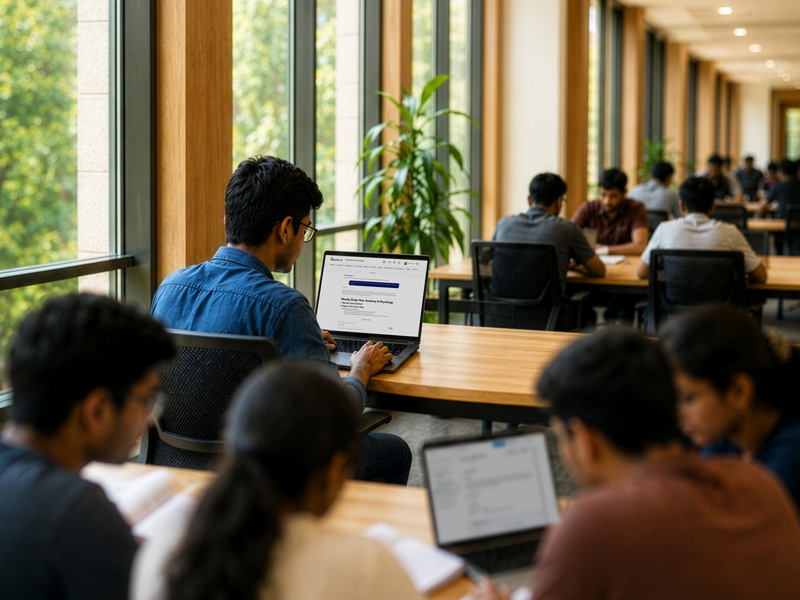
As universities worldwide navigate the evolving landscape of AI, those that embrace emerging tools early can position themselves ahead of the curve, improving student success and strengthening institutional reputation

The structured nature of academic writing obscures the messiness of scholarship. Meandering is an important part of the research process, says Lauren B. Clark

Open research shapes how psychological science is conducted yet it is often absent from the way psychology is taught. Here are five practical ways to integrate open research into the curriculum

Universal design for learning ensures students are not only present but able to participate. Taking her cue from a South Korean television series, Sunah Cho uses three questions to address the ‘kkakdugi’ problem in higher education

A data-driven method can turn the administrative chore of matching dissertation students with the right supervisor into an educational opportunity. Ana Santos explains how it works

Employers aren’t looking for perfect specialists. It’s up to higher education to give graduates the skills to navigate uncertainty

Language proficiency does not equal professional competence. Here’s how to use linguistic skills to teach and rethink what makes a good teacher
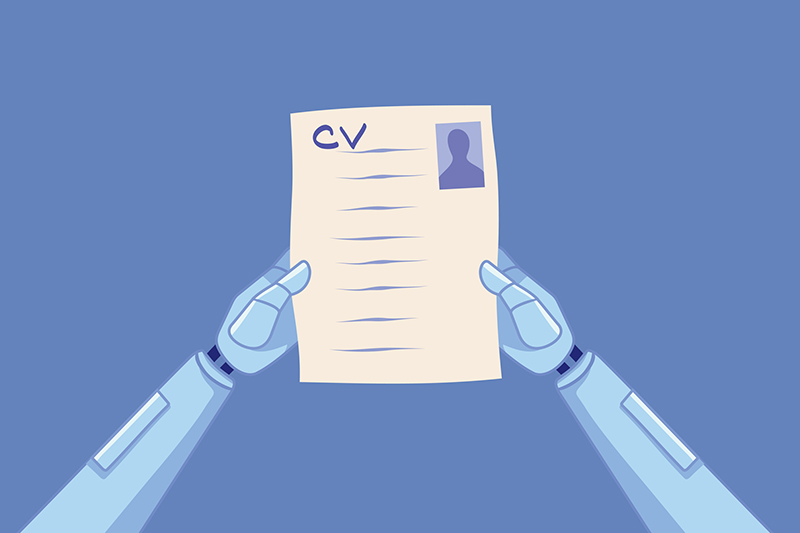
AI advice arrives confident and efficient, which is why students don’t always notice what it assumes or when they stop deciding for themselves. Kamila Miller offers four classroom practices that make bias and dependence visible

Instead of giving students answers at the touch of a button, what if we designed AI agents to support active learning? Here’s how it works